.jpg)




.svg)
The tragic deaths of a high-earning consultant couple and their terminally ill nine-year-old son, who fell 400 feet from a luxury south London skyscraper, have exposed the fracturing pressures facing isolated families navigating complex care systems.
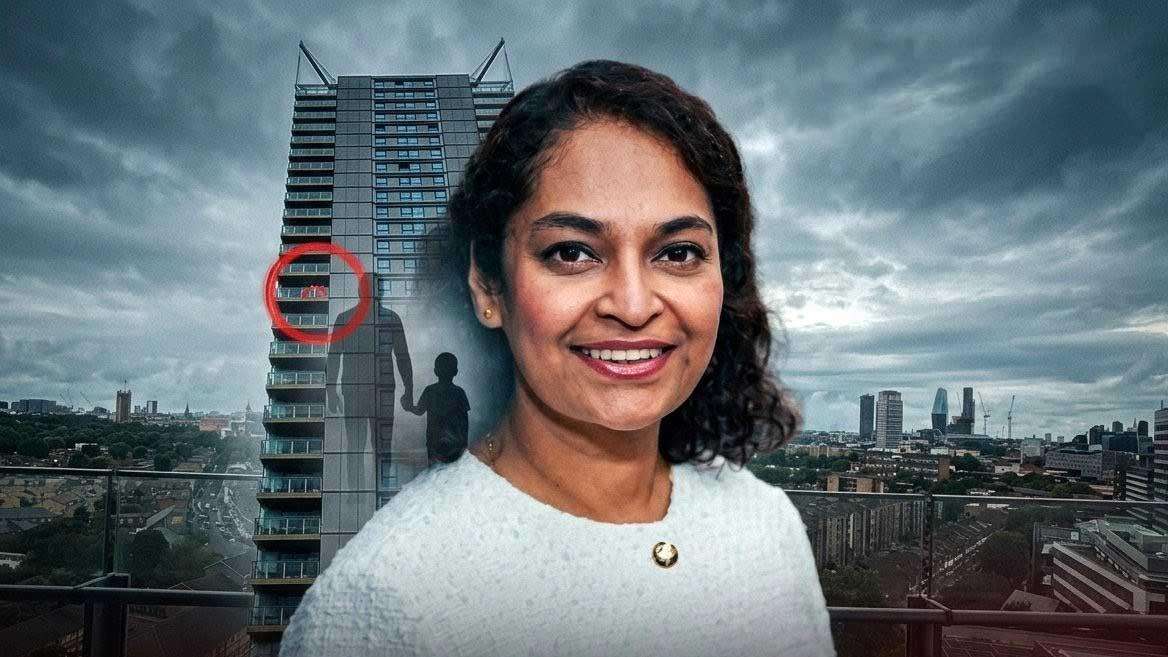
On the morning of May 27, emergency services rushed to the Highpoint tower block on Churchyard Row in Elephant and Castle following reports that a group had fallen from height. Paramedics made desperate attempts to revive Rakesh Pai, 47, Aditi Paralkar, 46, and their young son, Sid, but all three were pronounced dead at the scene. The Metropolitan Police have classified the deaths as unexpected, with mounting evidence pointing toward a tragic murder-suicide triggered by acute systemic despair.
As the London Inner South Coroner’s Court prepares for a comprehensive inquest led by senior coroner Julian Morris, investigators are shifting their focus to the immediate timeline preceding the incident. Sources close to the case indicate that the upcoming proceedings will closely examine the decision-making processes of healthcare and education providers. Friends of the family revealed that the final, devastating catalyst occurred just days prior to the tragedy, when Sid was reportedly denied specialized medical treatment and abruptly discharged from hospital care.
The case has cast a harsh light on the vulnerability of affluent, highly educated professionals who fall through the cracks of community support networks. Mr. Pai, an accomplished financial project manager who worked with major banking institutions including Barclays, Santander, and Deutsche Bank, was known as a composed individual who actively volunteered for the Alzheimer’s Society and the Thomas Pocklington Trust. Ms. Paralkar was a highly respected construction consultant who delivered major infrastructure projects, including cladding installations at Heathrow Airport. Both were educated at premier universities in India before building a prosperous life in London during the early 2000s.
Yet behind the facade of a £3,800-a-month luxury apartment, the family was entirely isolated. Sid was born in the UK with profound, multifaceted health challenges. He was unable to speak, partially handicapped, and suffered from severe learning difficulties alongside a chronic kidney disease. The relentless demands of his condition forced the family to homeschool him, a responsibility that fell heavily on Ms. Paralkar while she simultaneously managed a high-powered career.
Six years ago, the couple desperately sought an alternative, temporarily leaving the UK to relocate to Mumbai, where Ms. Paralkar was raised. The move was an attempt to access specialist medical interventions and secure a closer network of family support. However, after medical teams in India failed to achieve any clinical improvement, the family returned to London last year, only to find themselves more isolated than before.
In the weeks leading up to the tragedy, neighbors inside the UNCLE Elephant and Castle building reported hearing persistent shouting and screaming coming from the 36th-floor flat, prompting domestic welfare inquiries from neighbors and later the police. Neighbors expressed a deep sense of trauma and lingering questions regarding whether the state structure failed to catch a family in freefall.
The investigation will next scrutinize the transition of care between international and domestic medical teams, alongside the specific threshold used to discharge a child with such complex, terminal needs. Local MP Neil Coyle confirmed that the police investigation explicitly infers that the child’s severe illnesses heavily contributed to the horrific outcome, noting that the incident has left the central London community deeply shaken.
The tragedy has prompted widespread reflection on the modern urban environment and the alienation of vertical living. Commenting on the structural isolation, local resident Akil said: "Just so desperately sad that their circumstances led to this. You just do not know what difficulties some people are going through, this is such a tragedy—that is just utterly heartbreaking. So sad. How on earth can people live in those high-rise apartments is quite beyond me. Families need a house and hopefully a garden and good neighbors—more so these days when people seem to have so much stress in their lives. A shame they had not moved back to Clapham—they might have benefited from more support for their child."
Before moving into the high-rise, the couple owned a ground-floor flat in Clapham and had recently purchased the apartment above it with the explicit intention of converting the property into a single, permanent family home. The community there remembered them fondly from a recent summer street party, highlighting the tragic irony that the family was on the verge of returning to a traditional neighborhood network that might have offered the very buffer they lacked.
As forensic teams conclude their scene analysis and the coroner prepares the official schedule, this investigation by the Daily Dazzling Dawn continues to track the impending institutional reviews. The upcoming inquest is expected to provide definitive answers regarding the exact timeline of the hospital discharge, serving as a critical evaluation of how the UK's social and medical safety nets handle high-stakes, multi-layered domestic crises.