



.svg)
The upcoming Makerfield by-election on June 18 has transformed into a high-stakes laboratory for right-wing factionalism, where data-driven micro-targeting is threatening to stall Reform UK’s momentum and hand an electoral advantage to Labour’s heavyweight candidate, Greater Manchester Mayor Andy Burnham.
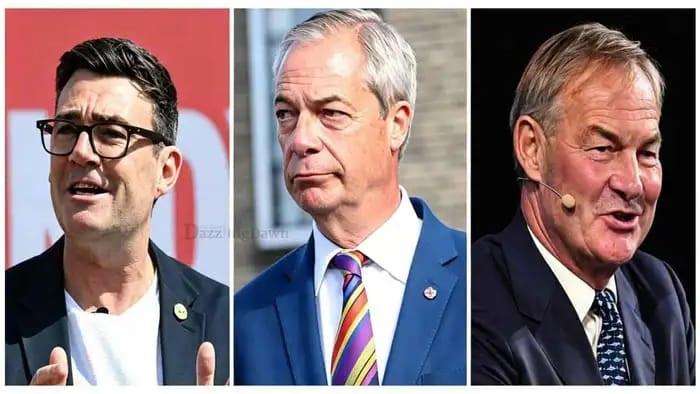
The vote, triggered on May 14 by the sudden resignation of sitting Labour MP Josh Simons amid a Westminster leadership crisis, was widely viewed as a prime opportunity for Nigel Farage’s Reform UK. In last month’s local elections, Reform swept every council ward within the Makerfield constituency, capturing roughly 50% of the vote share compared to Labour’s 23%. However, an investigation by Daily Dazzling Dawn reveals that a hard-line splinter group, Restore Britain, has weaponised digital infrastructure to fracture the insurgent right-wing electorate, tipping the tactical scales decisively back in favour of Burnham.
The Digital Insurgency
Restore Britain was established just months ago by ousted former Reform MP Rupert Lowe, following his suspension from Farage’s party last March. Fresh constituency polling from Survation indicates that Restore’s candidate, local businesswoman Rebecca Shepherd, has secured 7% of voter intention in Makerfield. In a seat where Reform UK requires a unified anti-Labour electorate to overturn a historic 2024 Labour majority of 5,399, this marginal diversion of working-class voters poses a fatal threat to Reform's candidate, local plumber Robert Kenyon.
Political analysts monitoring the Greater Manchester seat point to a deeper structural shift rather than a temporary protest vote. While Reform UK has moderated its rhetoric to appeal to mainstream voters—focusing Kenyon's campaign on local pubs, greenfield development, and housing—Restore Britain has capitalised on unyielding, nativist immigration stances. A Restore spokesperson recently escalated the rhetoric, stating that individuals without "indigenous British ancestry and Christian faith" cannot be considered British.
The sudden rise of a young, single-MP movement into a serious electoral spoiler stems from an advanced social media network that bypasses conventional broadcasting. Financial Times data analytics show that Rupert Lowe’s digital output regularly outperforms established political figures. Since launching Restore, Lowe has had 10 posts on the platform X reach over 10 million impressions, outpacing Nigel Farage despite having a third of Farage’s followers.
This algorithmic reach has been actively amplified by technology billionaire Elon Musk, who explicitly posted to his followers to “Join Rupert Lowe in Restore Britain,” a single endorsement that garnered 24 million views. Sources close to Westminster suggest Musk’s pivot away from Reform reflects a preference for anti-establishment, tech-driven nativism over traditional party structures. The relationship is financially lucrative: Lowe has declared over £72,000 in earnings for posting on X since late 2024, triggering intense criticism from Liberal Democrat leader Ed Davey, who labelled the payments a "dangerous loophole" allowing foreign tech billionaires to legally bankroll British political actors.
Radical Echoes on the Ground
However, this rapid digital growth has brought increased scrutiny regarding the party's associations. Field reports from Makerfield indicate that the party's online rhetoric has attracted extreme fringe elements. The party has faced severe criticism over its loose vetting procedures, highlighted by the integration of controversial far-right figures like James Munro—a activist previously photographed giving a Nazi salute and promoting white supremacist slogans with the now-defunct Scottish Nationalist Society. When questioned about these associations, a party spokesperson stated that the organisation cannot police the lawful opinions of members of the public, emphasizing that their focus remains entirely on their core platform.
Simultaneously, Lowe has used the Makerfield campaign trail to launch highly inflammatory attacks, accusing Andy Burnham and the wider Labour establishment of orchestrating a cover-up regarding historical grooming gangs across the region, citing an upcoming alternative "Red Gang Enquiry."
The Burnham Factor
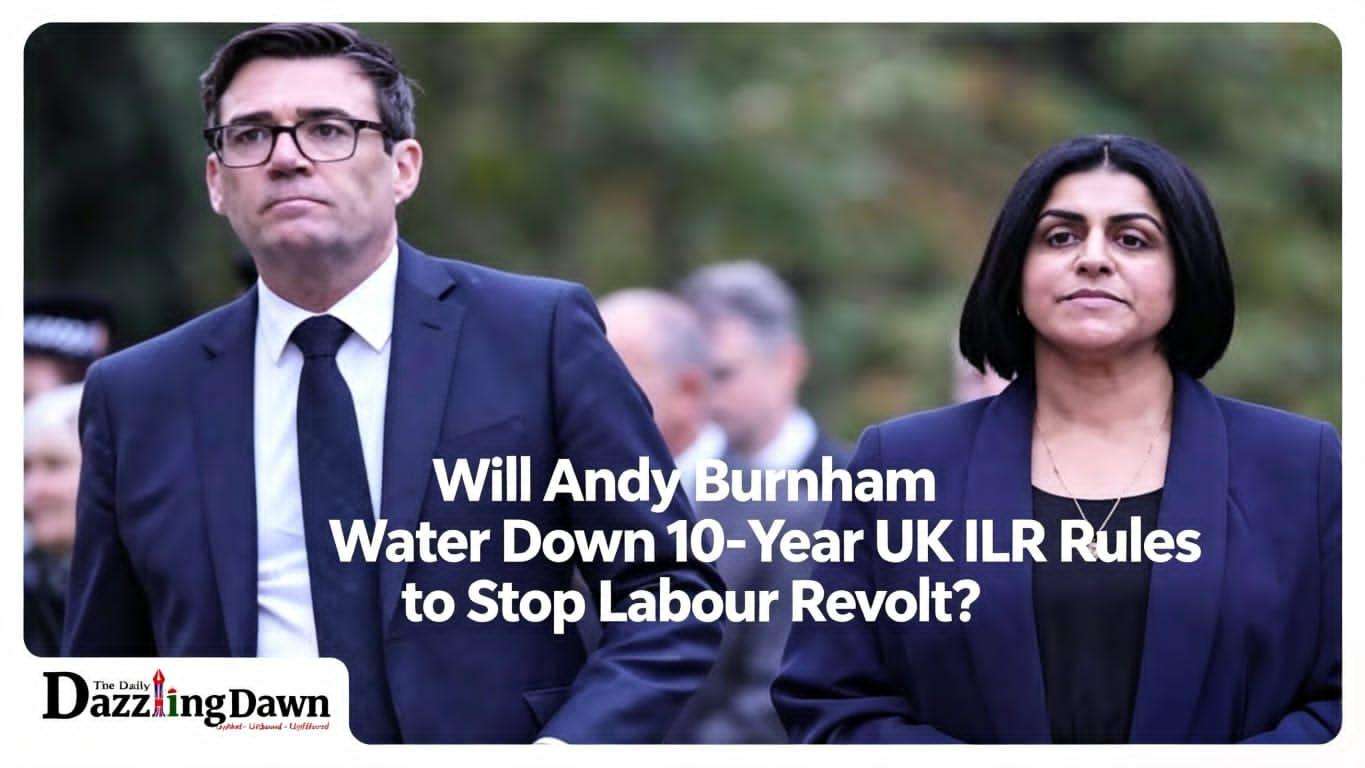
For Andy Burnham, the fragmentation of his opponents provides a vital shield. Burnham's candidacy is an extraordinary gamble; he is retaining his mayoral seat during the campaign and will only step down if elected. If successful, he is widely expected to use Westminster as a launchpad to challenge Sir Keir Starmer for the Labour leadership, heavily emphasizing a platform of deep constitutional overhaul, English regional devolution, and a transition to proportional representation.
Recognising the volatility of the seat, Burnham’s campaign has heavily downplayed the official Labour branding on the ground, instead running under a highly personalised, cartoon-embellished campaign titled “Andy — For Us,” complete with permission from the Manchester band Oasis to use their hit track Some Might Say. Activists have been ordered to reject traditional voter filtering and knock on every single door in the constituency to confront disillusioned Reform voters directly.
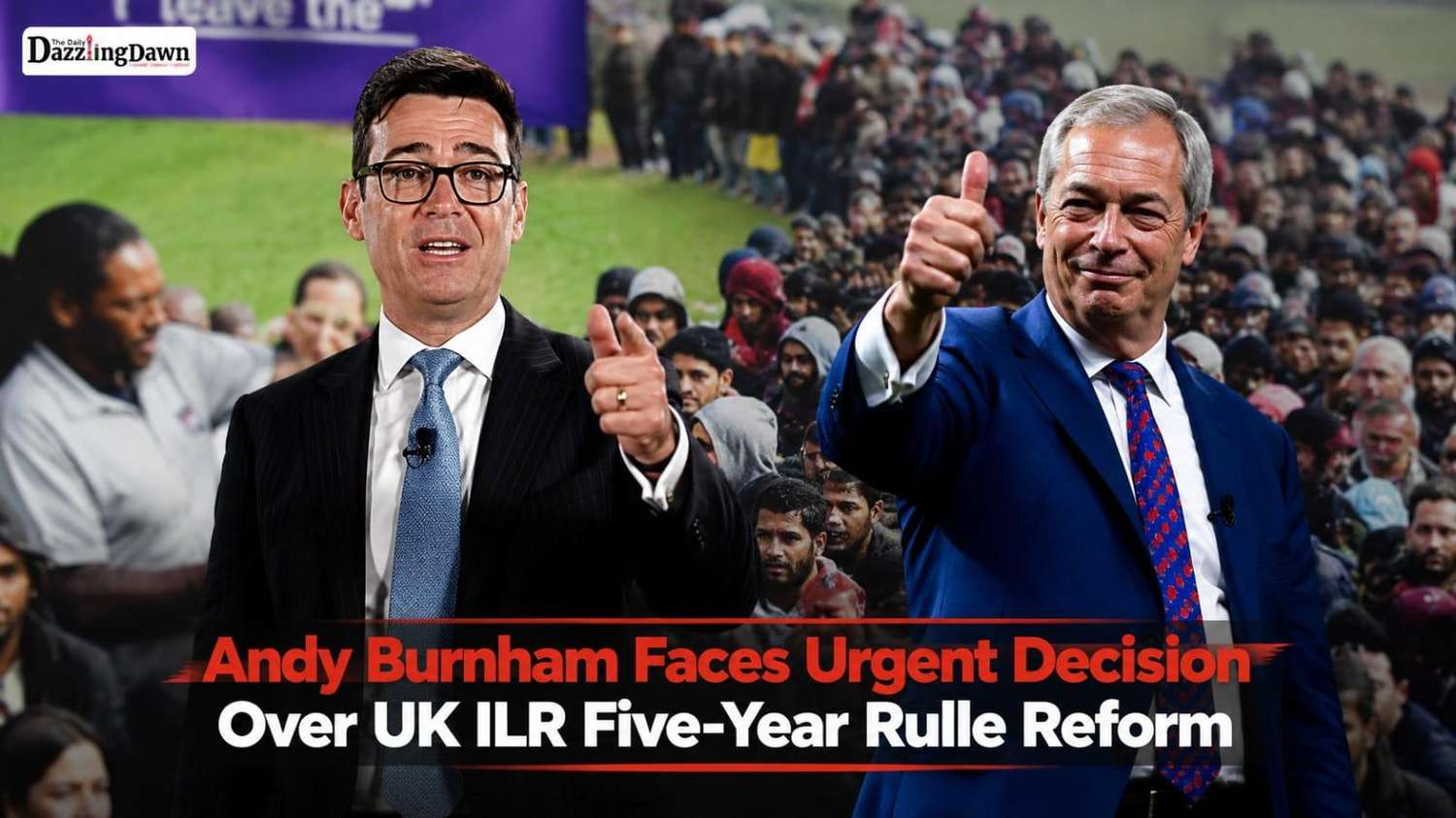
As the June 18 polling date approaches, Nigel Farage is attempting to counter the digital threat by warning voters against splitting the ballot, framing Makerfield as a strict "David versus Goliath" battle between a "plucky local plumber" and "Open Borders Burnham." Whether Farage's plea for unity can cut through Restore’s Musk-amplified digital network remains the defining question of the campaign. For now, the deep divisions within populist right-wing politics may ultimately dictate the future of Westminster’s margins, delivering an unexpected victory to the man who wants to reshape the British state.