




.svg)
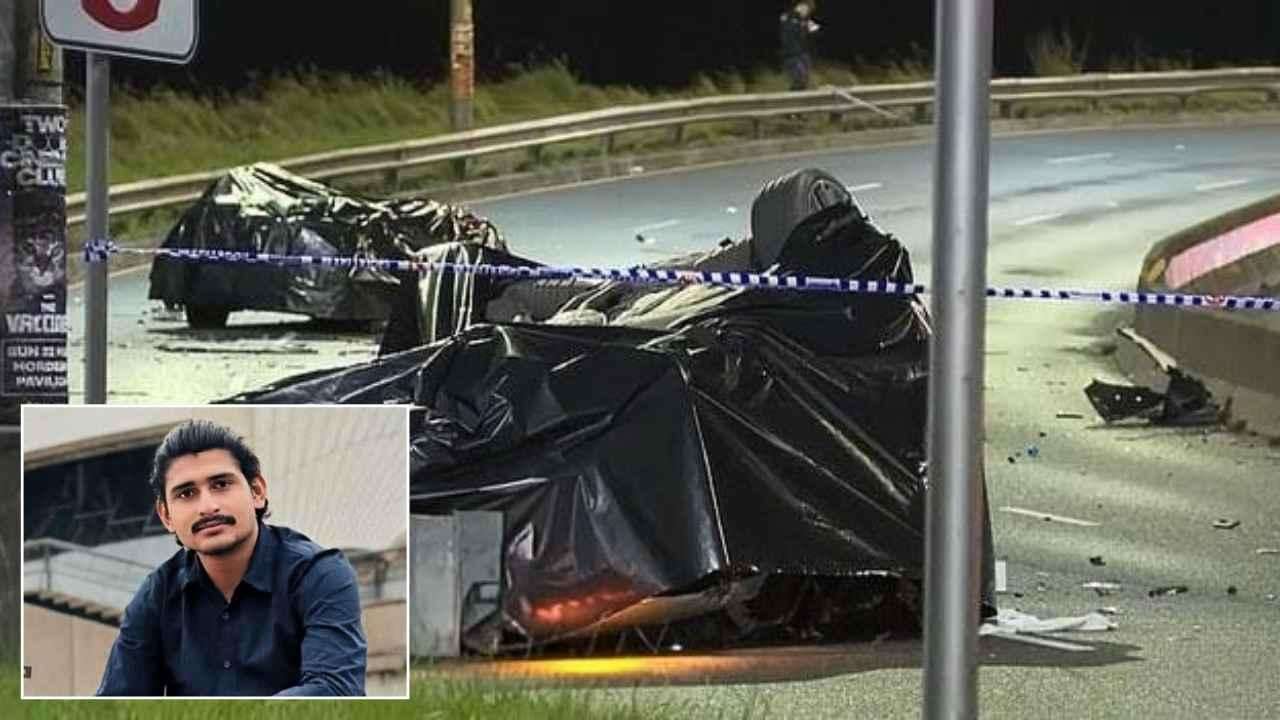
The aftermath of a catastrophic three-vehicle collision on Rocky Point Road in Sans Souci has shifted from immediate emergency response to a rigorous investigation into police pursuit protocols and acute mental health intervention timelines. Late-night arterial roads often bear witness to transit, but the collision that claimed three lives in Sydney’s south stands as a stark indictment of how rapidly a welfare check can devolve into public space devastation.
New forensic insights indicate that the mechanical and kinetic force of the impact was so severe that structural containment failed instantly, causing one of the vehicles to ignite upon impact. Royal New South Wales policing watchdogs are now scrutinizing the critical ten-minute window between the initial suburban driveway encounter in Gymea Bay and the fatal impact thirteen kilometres away.
The sequence began at 12:25 AM when the partner of Tamati Gilbert, the driver of the white Audi, contacted emergency services expressing grave concerns regarding his volatile psychiatric state. When local sector police arrived at the Gymea Bay residence, they discovered Gilbert stationary inside his vehicle. Rather than engaging with officers, Gilbert accelerated away from the property at high speed.
Within ten minutes, the out-of-control Audi launched over a concrete median barrier on Rocky Point Road, striking a blue Toyota Camry rideshare vehicle. Investigators analyzing local CCTV footage have established that the Audi achieved exceptional velocity prior to the impact, effectively eliminating any opportunity for evasive maneuvers by oncoming traffic.
The human toll of the collision has devastated families across international borders. The driver of the Camry, twenty-two-year-old social work student Shoaib Hussain, was completing his final passenger transit of the evening before heading home. Having arrived from Pakistan four years ago to fund his tertiary education, Hussain had spent the last several months working weekends to support himself and remit funds to his family, whom he had not seen since his departure.
UK Retail Sales Bounce Back Unexpectedly
His passenger, Seamus Duignan, twenty-eight, was returning home from a birthday celebration when the collision occurred. Both men, along with Gilbert, died at the scene despite the intervention of civilian bystanders who deployed portable fire extinguishers to suppress the post-crash fire.
As the Central Coroner’s Court prepares a comprehensive inquest, legal and transport analysts writing for the Daily Dazzling Dawn emphasize that the investigation will fundamentally hinge on the parameters of police engagement during acute mental health crises. The impending judicial inquiry faces a dual mandate: establishing the precise mechanical telemetry of the Audi and evaluating whether the visual presence of police units inadvertently accelerated Gilbert’s erratic departure from the Gymea Bay residence.
For the families involved, the immediate future holds only bureaucratic and emotional friction. The Hussain family is currently coordinating with consular officials to facilitate the international repatriation of his remains to Pakistan following a scheduled memorial service in Auburn. Concurrently, the Duignan family has formalised demands for absolute transparency regarding the dispatch timelines, seeking definitive answers on how a vulnerable individual under urgent police notice was permitted to navigate major arterial links at lethal velocity without intervention.
Scottish Sikh Activist Jagtar Singh Johal Granted Bail After Almost Nine Years in Indian Custody
An investigative analysis into systemic emergency response margins under scrutiny.

_1.jpg)