



.svg)
In the digital age, news no longer travels—it explodes. Social media transforms isolated incidents into national—sometimes global—conversations within minutes. Bangladesh is not an exception in this case and we see how fast many incidents go viral at times in the country.
Over the past few months, several viral incidents reported in the media have raised difficult questions about trust and accountability in journalism. One recent case involved the discovery of the decomposed body of a 75-year-old woman in the capital of Bangladesh. Early reports circulating widely suggested that the elderly woman had died after being neglected by her highly educated children. The story quickly triggered public outrage, moral condemnation, and calls for legal scrutiny.
However, subsequently, the daily Kaler Kantho reported that ‘the woman had died approximately 24 hours before being taken to the morgue. The condition observed on her body, initially interpreted by many as signs of prolonged decomposition, was later identified as a medical condition known as a bed sore, commonly found in elderly patients who remain immobile for extended periods. What had been widely perceived as evidence of prolonged neglect was, in fact, a misunderstood medical condition’.
A second incident in Narsingdi, a district near the capital, drew similar attention. Initial media reports described the abduction and brutal killing of a teenage girl in front of her father, allegedly linked to her family’s pursuit of justice following a gang rape. The story spread rapidly, fuelling widespread anger and leading to arrests and political consequences, including disciplinary action against a local political figure of the ruling party.
Yet, as the investigation progressed, law enforcement authorities revealed a different account. Police later stated that the girl was, in fact, murdered by her stepfather, who subsequently staged the crime scene to mislead investigators. According to official statements, the accused confessed before the local court under Section 164, admitting that the killing was motivated by personal frustration and a desire to conceal his actions by fabricating a false narrative of abduction.
These two cases are not stray incidents; instead, they highlight a troubling pattern: initial media reports, once amplified through social and traditional platforms, lack verification, and even once corrections emerge later, they rarely receive the same level of attention as the original reports. Additionally, no journalist or media outlet takes responsibility or offers an apology to the victims of their errors, eroding public trust in journalism as audiences get confused about which reports they should trust.
However, the consequences of premature or unverified reporting extend beyond reputational damage to individuals and families. They shape public perception, influence law enforcement responses, and even trigger political or social repercussions. When initial reports are later corrected or contradicted, the harm done in the interim is often irreversible.
This raises a fundamental question about contemporary journalism in Bangladesh: are journalists above accountability when they hold others accountable for their words and actions and their consequences?
I think it's high time for journalists to do some soul-searching and adopt a more responsible approach to framing sensitive stories—especially those involving death, crime, or public outrage. It's a must as journalism derives its authority from trust which is earned by accountability. In an environment where misinformation spreads rapidly and corrections travel slowly, the responsibility of journalists becomes even more critical.
Moreover, in a democratic society, on the one hand, the public makes decisions based on information. Therefore, if journalism is unchecked or careless, public opinion can be manipulated, leading to poor decisions and weakened democratic processes. On the other hand, accountability in journalism is a safeguard as it ensures that the media remains a tool for truth, not a source of harm or confusion. That's why without accountability journalism loses its credibility and its role as a public watchdog comes into question.
--
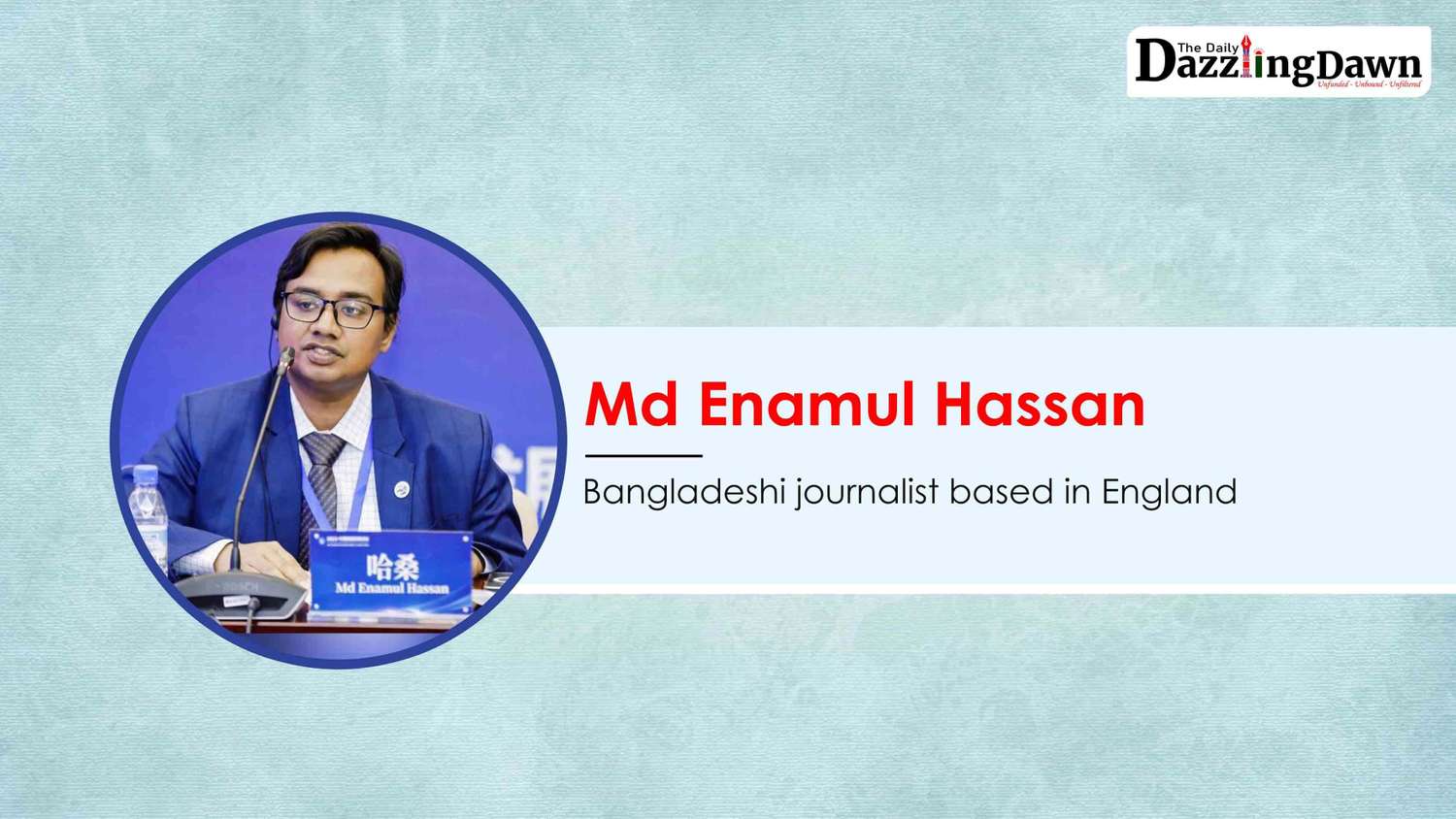
Md Enamul Hassan is a Bangladeshi journalist based in England and a member of the National Union of Journalists in the UK.