





.svg)
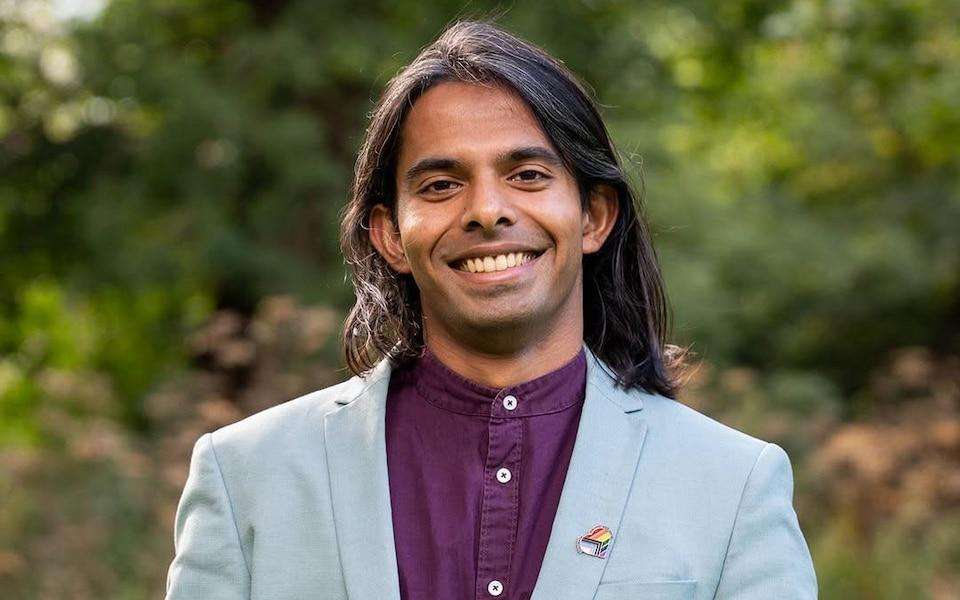
The election of Q Manivannan to the Scottish Parliament marks a definitive shift in the United Kingdom’s internal political landscape, testing the boundaries of devolved legislative powers. By securing a seat on the Edinburgh & Lothians East list for the Scottish Green Party, the Tamil immigrant and transgender activist has become the first individual to ascend to Holyrood without possessing a permanent UK visa. This development is the direct result of the Scottish Government’s recent overhaul of candidacy requirements, a move that diverges sharply from the more restrictive frameworks maintained in Westminster.
The pathway to this historic moment was paved last year when SNP ministers, supported by their Green coalition partners, successfully adjusted eligibility criteria to allow any foreign national with a legal right to reside in Scotland to stand for election. While critics suggest this creates a loophole in national security and immigration consistency, proponents argue it reflects the modern Scottish ethos of "civic nationalism," where residency rather than birthright dictates political participation.
Speaking on the weight of the result, the newly elected MSP told a journalist that the victory represents a profound validation for marginalized communities who have long resided in Scotland but felt excluded from the formal mechanisms of power. They noted that the focus must now shift from the legality of their candidacy to the legislative work ahead, particularly concerning social justice and climate policy.
As reported by Daily Dazzling Dawn, the focus of the political class has already shifted toward the practicalities of parliamentary service under such unique circumstances. While Manivannan has the legal right to sit as a representative, the intersection of Scottish electoral law and UK Home Office immigration enforcement remains a complex legal frontier. Legal analysts anticipate that the next steps will involve clarifying the long-term status of representatives who may face visa renewals while holding public office, a scenario that could necessitate further legislative intervention from the Scottish Government to prevent a sudden vacancy.
The reaction within the chamber is expected to be polarized as the new session begins. Opponents of the 2025 rule change have already voiced concerns that the Scottish Parliament is moving toward a de facto independent immigration policy. However, the Scottish Government maintains that the extension of the franchise and candidacy rights is a protected devolved matter. This election does not merely introduce a new face to the Green benches; it sets a precedent that will likely be cited in future challenges regarding who has the right to shape the laws of a nation they call home.