






.svg)
While the gavel has fallen on the final sentences, an investigative look into the moments preceding the Bloxwich Road encounter reveals a volatile chain of events that transformed a suburban street into a theater of calculated ferocity.
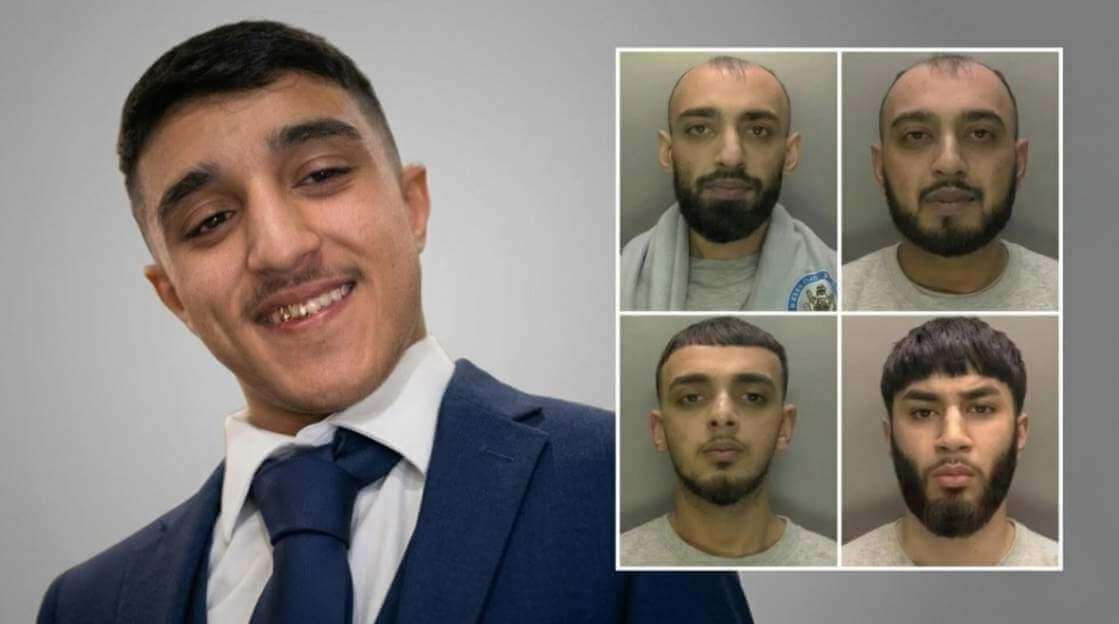
The sentencing of the Iftakhar brothers and their associates at Wolverhampton Crown Court has concluded a dark legal saga, yet for the community of Walsall, the central question remains: what drove these men into a fatal collision on a Monday afternoon? Investigative findings, as reported by **Daily Dazzling Dawn**, suggest this tragedy was the explosive conclusion to an entrenched friction rather than a spontaneous outburst.
The Initial Provocation- Evidence presented to the jury established that the afternoon of March 17, 2025, began with a significant escalation initiated by the victim. Mohammed Khan arrived at Bloxwich Road not as a passive bystander, but armed with two large hunting knives. CCTV footage and witness testimonies confirmed that Khan’s primary target was 23-year-old Zain Raja.
The relationship between Khan and the defendants was described in court as a "rivalry" that transcended a simple disagreement. This was a targeted confrontation; Khan reportedly initiated the physical violence by attempting to strike Raja with the blades he had brought to the scene.
From Defense to Vengeful Execution-The judicial pivot of this case rested on the transition from "lawful defense" to what the court characterized as a "vengeful execution." While the defendants initially argued they acted in self-defense, the jury rejected this plea for the three primary perpetrators.
The court heard that once Khan was disarmed and neutralized on the floor, the response from Asad Iftakhar, Hassan Iftakhar, and Zain Raja shifted from protection to a "prolonged and vengeful" assault. Forensic experts highlighted the extreme level of force used—including the use of an axe and repeated stamping—which resulted in 16 sharp force injuries and a traumatic brain injury. This level of violence, the judge noted, far exceeded any reasonable measure of self-protection.
Judicial Reckoning and Acquittals- The legal outcome has been a complex web of varying degrees of culpability. While the core group faced the full weight of the law, the judicial system also exercised meticulous discernment. Iftakhar Ahmed, 52, was acquitted earlier this year after the murder charge against him was dismissed, ensuring that the final verdict remained strictly tethered to the actions of those directly involved in the final assault.
The subsequent sentencing reflected these varying levels of involvement. Asad Iftakhar was handed a life sentence with a minimum of 22 years for murder and knife possession. Both Hassan Iftakhar and Zain Raja were also sentenced to life, each ordered to serve a minimum of 18 years for their roles in the killing. Amaan Khan, convicted of the lesser charge of manslaughter, received an 8-year custodial sentence.
As the Iftakhar brothers begin their life sentences, the focus in the Black Country has shifted toward preventing such "rivalry" killings. The tragedy of Mohammed Khan has become a permanent fixture in the local discourse on weapon possession. It serves as a grim case study in how quickly a personal dispute can escalate into a lifetime of incarceration and permanent grief.
"The case began with a fatal choice to carry blades and ended with a choice to act as judge, jury, and executioner," a legal source told a journalist during the proceedings. For the families involved, life is now permanently divided by the events of that afternoon, leaving a community to reflect on the high price of street vengeance.





.jpg)
.jpg)