





.svg)
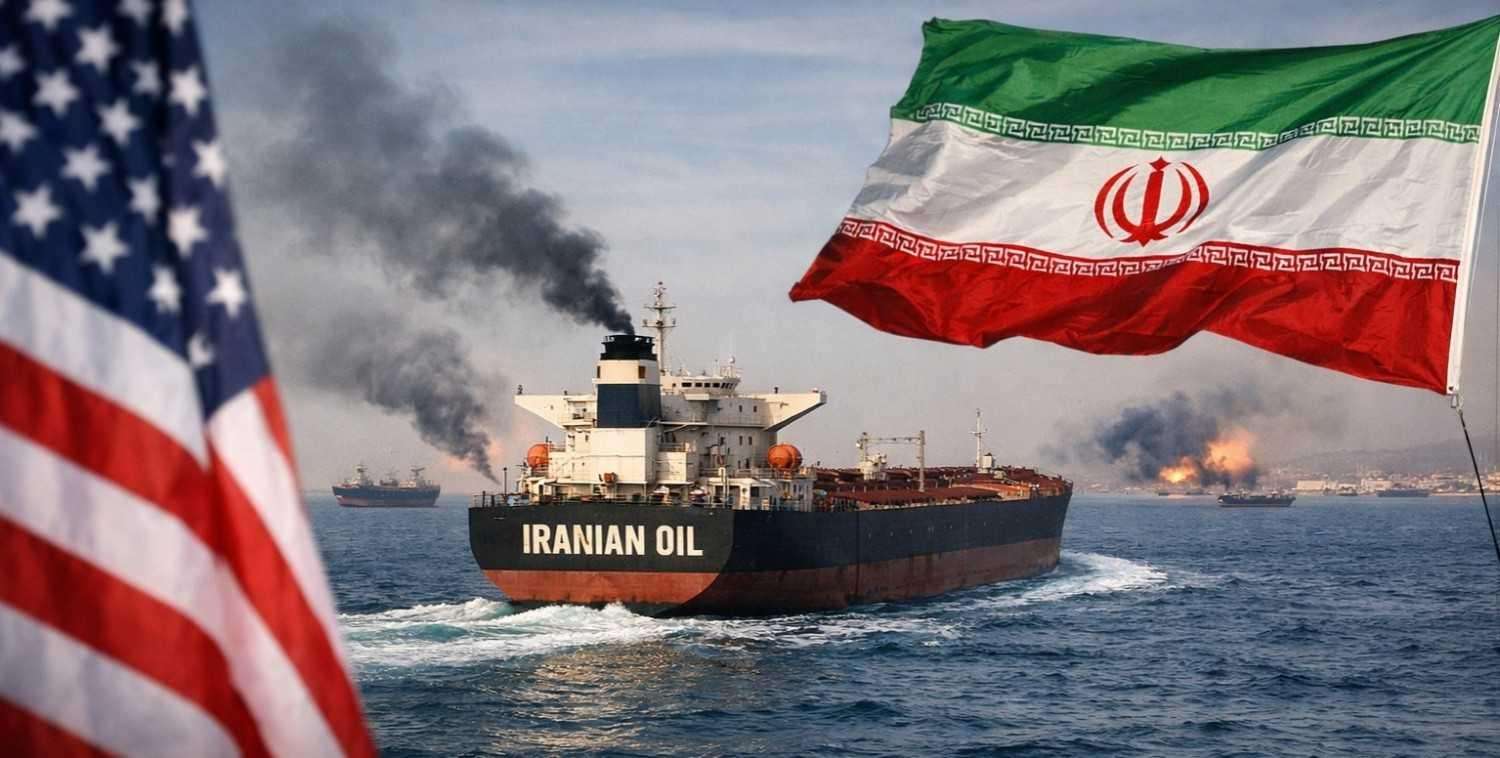
The administration of Donald Trump has introduced a temporary 30-day waiver on sanctions related to Iranian oil already in transit, aiming to ease mounting pressure on global energy markets. The decision comes as oil prices surge sharply amid ongoing tensions linked to the US-Israel conflict with Iran.
According to US Treasury Secretary Scott Bessent, the move is expected to release approximately 140 million barrels of oil into global supply, helping to stabilize prices that have climbed over $100 per barrel—levels not seen since 2022.
The White House is reportedly concerned that rising fuel costs could negatively impact American consumers and businesses, particularly with the November midterm elections approaching, where Republicans are aiming to maintain control of Congress.
This marks the third instance in recent weeks where Washington has temporarily relaxed sanctions. Earlier measures included easing restrictions on Russian oil exports. The latest license allows the sale of Iranian crude loaded onto vessels within a specific timeframe, though it remains uncertain whether any of this oil will reach the United States directly.
Officials emphasized that the waiver strictly applies to oil already in transit and does not permit new production or purchases. The administration insists that Iran will face significant challenges in accessing the financial benefits from these sales, maintaining that broader economic pressure on Tehran remains in place.
However, critics have raised concerns about the policy’s unintended consequences. Some analysts warn that allowing Iran to sell oil—even temporarily—could indirectly support its ongoing military activities.
The situation is further complicated by disruptions in the region. Attacks on critical energy infrastructure and Iran’s effective closure of the Strait of Hormuz—a key route for around 20% of global oil and liquefied natural gas—have intensified supply concerns.
Energy experts caution that easing sanctions alone may not significantly reduce prices unless the vital shipping route is reopened. Meanwhile, countries heavily dependent on Middle Eastern oil, such as Japan, are exploring diplomatic efforts to ensure safe passage for their energy imports.
The temporary measure is also expected to benefit major buyers like China, which has consistently been a leading importer of Iranian oil. Analysts say it may take several weeks before the additional supply meaningfully impacts global markets.
Despite the move, uncertainty remains high as geopolitical tensions continue to influence the fragile balance of global energy supply and demand.