
.jpg)


.svg)
As Bangladesh goes to the polls on 12 February, the country faces one of its most consequential elections in decades, with the outcome set to determine who will become the next prime minister following the dramatic political changes of recent years.
This election is the first since the removal of long-time prime minister Sheikh Hasina after mass protests in 2024 and the subsequent banning of her Awami League party from political participation. With the former ruling party absent, the political landscape has been reshaped, opening the door to a new leadership contest.
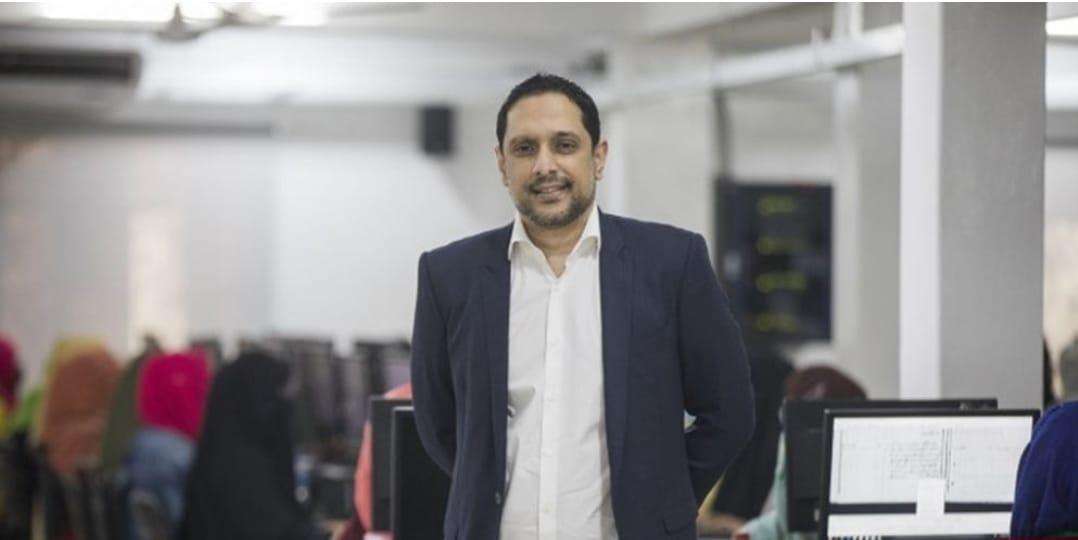
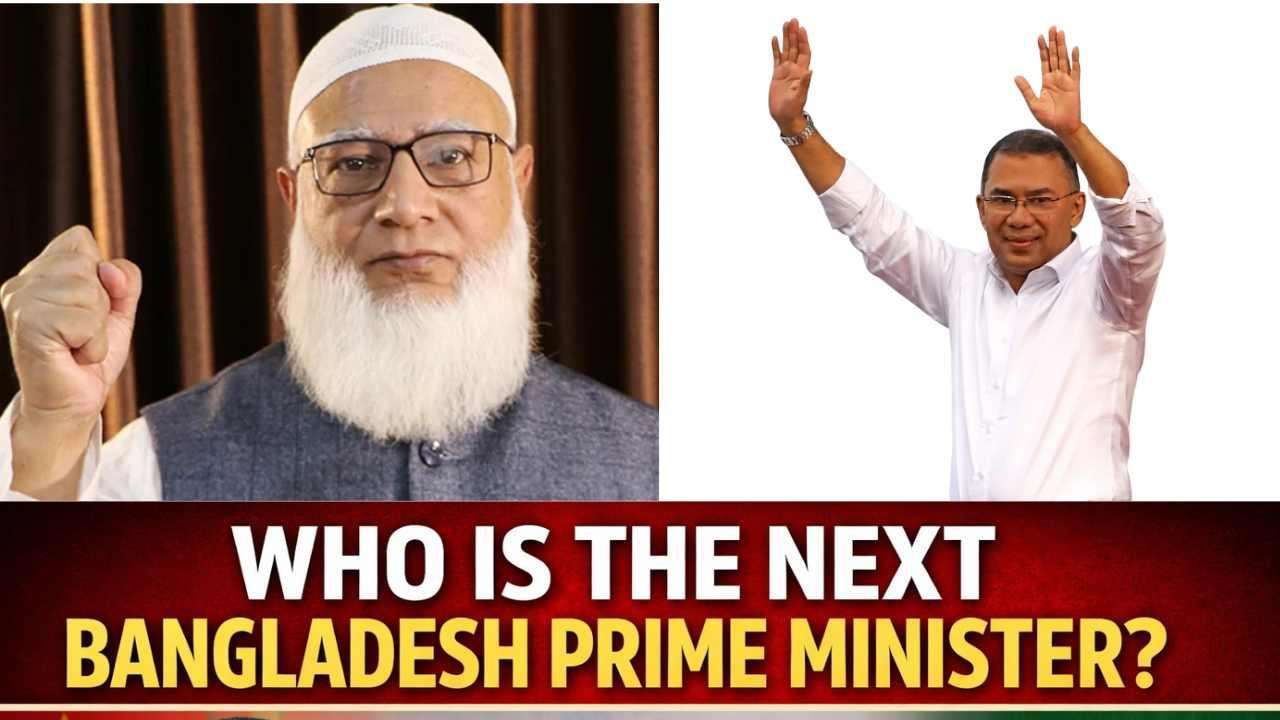
Tarique Rahman: The Frontrunner
Tarique Rahman, chairman of the Bangladesh Nationalist Party (BNP), is widely regarded as the leading contender to become the next prime minister. The son of former president Ziaur Rahman and former prime minister Khaleda Zia, Tarique returned to Bangladesh in December after nearly 17 years in exile, placing himself at the centre of the BNP’s national campaign.
His return has energised BNP supporters, with massive rallies across the country signalling the party’s ability to mobilise voters after years of political repression. Analysts say the BNP’s nationwide organisational strength and historical voter base give it a clear advantage heading into election day.
However, Rahman’s leadership has also faced scrutiny. Internal party divisions, rebel candidates contesting against official nominees, and questions over campaign messaging have raised concerns about discipline and preparedness. Critics have also pointed to lingering perceptions of corruption associated with past BNP governments, particularly among younger voters.
Despite these challenges, most political observers believe that if the BNP secures a parliamentary majority, Tarique Rahman is the most likely choice to lead the next government.
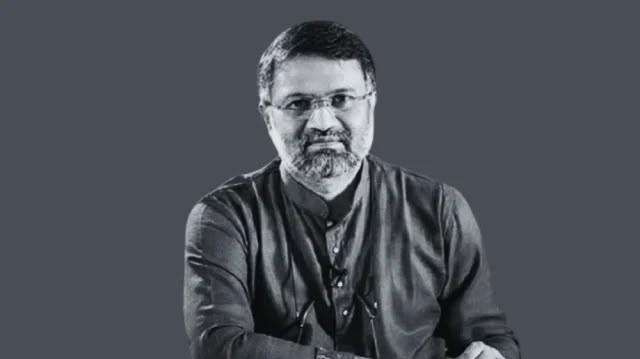
Shafiqur Rahman and the Jamaat-Led Challenge
The main challenge to the BNP comes from a coalition led by Jamaat-e-Islami, headed by Shafiqur Rahman. Once marginalised, Jamaat has re-emerged as a significant political force, capitalising on voter frustration with traditional parties and aligning with newer political groups formed after the 2024 uprising.
In such a scenario, Shafiqur Rahman could emerge as a compromise candidate for prime minister if coalition arithmetic favours his bloc.
A Vote Shaped by Youth and Uncertainty
With millions of young and first-time voters casting ballots, the election outcome remains unpredictable. Key issues influencing voter decisions include inflation, unemployment, corruption, public safety and the future direction of democracy in Bangladesh.
Political analysts note that while Tarique Rahman enters the election as the favourite, expectations are high and margins for error are slim. A decisive victory would solidify his authority as a leader in his own right, while a narrow win could expose internal weaknesses within the BNP.
What Comes Next
The next prime minister will face the challenge of restoring political stability, rebuilding public trust in state institutions, and steering the country away from the cycles of repression and confrontation that have marked recent history.
As Bangladesh votes on 12 February, the question of who will lead the nation next remains open — but all signs suggest that the answer will shape the country’s political trajectory for years to come.