






.svg)
The catastrophic collapse of South East England’s rail network will now extend into Thursday, with engineers struggling to rectify a major train derailment and a critical signaling system failure that has brought one of Britain's busiest routes to a standstill. In an unprecedented evening update, Network Rail confirmed that full service restoration on the Brighton Main Line is not expected before tomorrow afternoon, shattering hopes of an end-of-day resolution and plunging thousands of evening and Thursday morning commutes into uncertainty. The simultaneous crises at Selhurst depot and on the tracks near Norwood Junction have exposed deep vulnerabilities in the region's Victorian-era rail infrastructure, with senior industry sources warning of systemic issues that could trigger further disruptions in the coming weeks.
The scale of the paralysis is immense, affecting every service operated by Southern, Thameslink, and Gatwick Express. The derailment, which occurred just outside the Selhurst maintenance depot around dawn, has not only blocked multiple key lines but has also trapped a significant portion of the operational train fleet inside the facility, crippling the operator's ability to run any semblance of a normal service. Compounding this, the separate signaling failure on the approach to London Bridge has severed digital communication with trains on a critical stretch of line, forcing all movements to be conducted under archaic, time-consuming manual protocols. This one-two punch to the heart of the network has created a perfect storm from which recovery is proving painfully slow.
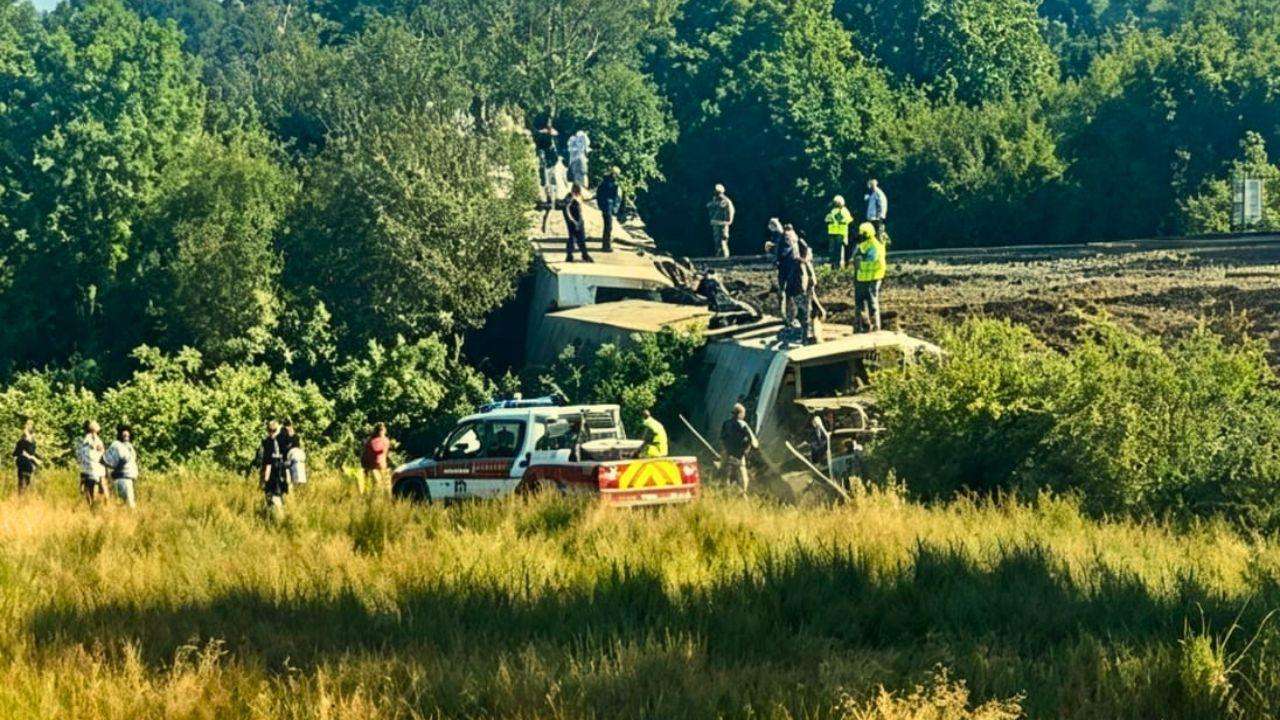
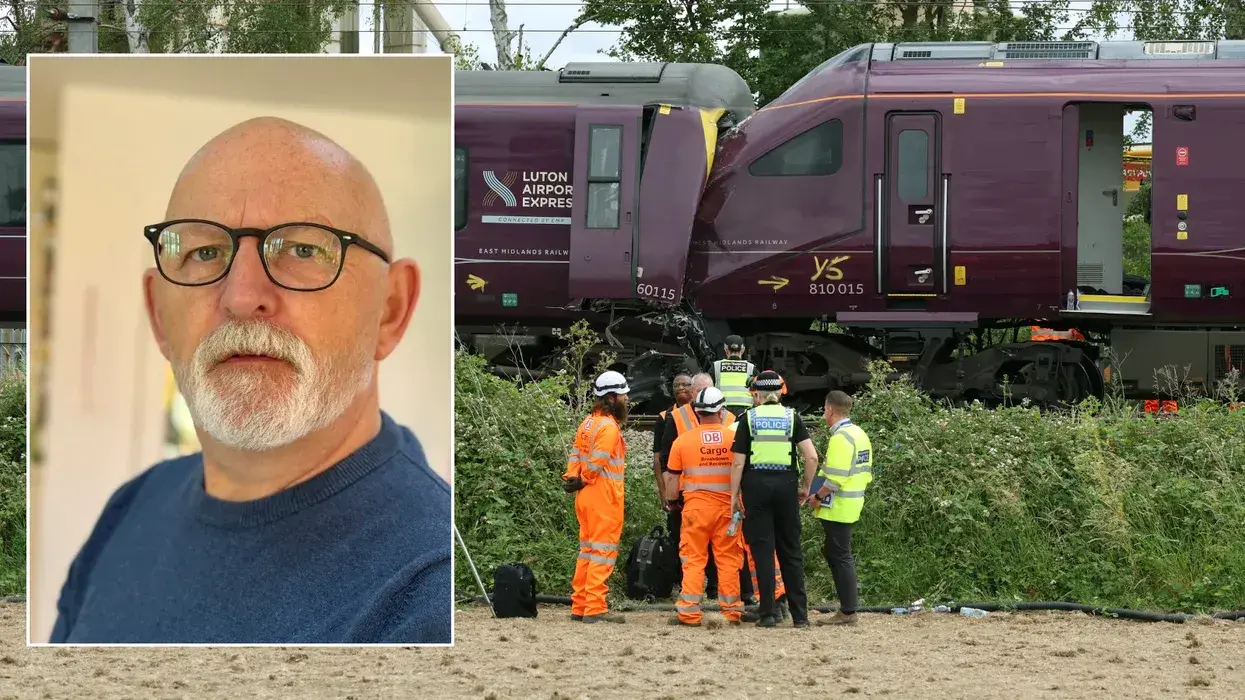
Travel Chaos Timeline: What Went Wrong and What Comes Next-The crisis began in the early hours of Wednesday when a Southern train, reported to be empty and preparing for service, partially left the tracks while maneuvering within the Selhurst depot complex. The precise cause is under urgent investigation by the Rail Accident Investigation Branch (RAIB), with initial forensic work focusing on a possible points failure. The positioning of the stricken carriage is so severe that specialized recovery equipment had to be deployed from Southampton, causing critical delays to the clearance operation. "The recovery is a complex, careful operation," a Network Rail incident commander stated. "Our absolute priority is safety, not speed, which means lines around Selhurst will remain blocked for many more hours."
Simultaneously, and believed to be unrelated, a catastrophic failure struck the solid-state interlocking signaling system between Norwood Junction and London Blackfriars. This is not a simple fault but a major system collapse that engineers from the manufacturer have been unable to reboot. Network Rail has been forced to implement emergency "manual block working" – a rarely used procedure where train movements are authorized individually by paper written authority, dramatically slashing the number of trains that can safely use the route. This failure is particularly alarming as it follows weeks of intermittent signaling problems on the same line, a point raised by frustrated commuters to news outlets. An industry insider confirmed that this corridor has been a "problem child" for months, with tonight's total failure being a long-dreaded "worst-case scenario."
The Human and Economic Toll of a Paralyzed Network-The human impact is vast and multiplying. London Victoria, London Bridge, and East Croydon stations descended into scenes of chaos during the evening rush hour, with departure boards showing blanket cancellations and crowded concourses. Passengers for Gatwick and Luton airports faced nightmare journeys, with National Rail’s advice to allow an extra 60 minutes proving wildly optimistic; many reported missing flights despite leaving hours in advance. The economic cost is staggering, with the disruption affecting a corridor responsible for billions in GDP. Business groups have expressed fury, citing lost productivity, missed meetings, and the stark knock to London's reputation as a reliable global city.
The ticket acceptance scheme has been expanded in recognition of the escalating crisis. Passengers holding tickets for disrupted services can now use them on virtually all alternative routes, including the entirety of the London Underground network, all London Bus routes, the Elizabeth Line, Docklands Light Railway, and London Trams. Furthermore, coordination with coach operators has been established, with National Express and Greenline accepting rail tickets on key routes to Sussex and Kent. Travelers are strongly advised to check the specific National Rail Enquiries website for the exhaustive and evolving list of accepted alternatives before beginning any journey.
Systemic Failures and a Warning for the Future- This crisis transcends two unfortunate coincidences. It highlights a dangerous concentration of risk on the Brighton Main Line, a Victorian-era infrastructure gem that lacks sufficient resilience for the 21st-century demand placed upon it. There is no parallel digital signaling corridor, and the dependency on the Selhurst depot for fleet storage and maintenance creates a single point of failure that has now been brutally exposed. "When the spine fails, the whole body collapses," remarked a senior transport analyst. "Today we've seen what happens when two critical nodes on that spine fail at the same time. The question for policymakers is whether we continue patching up this antique system or commit to the transformative investment needed for a duplicate, modern route."
As night falls, the focus for stranded passengers shifts to Thursday. Commuters are urged to work from home if at all possible. For those who must travel, expect severe congestion, last-minute cancellations, and extended journey times. The recovery of the derailed train is expected to continue through the night, with signal engineers working in shifts in a desperate bid to resurrect the failed interlocking system. Normal service is not anticipated before the Thursday afternoon peak at the very earliest. This is not just a day of disruption; it is a stark warning of the fragility of a network operating beyond its design limits, and the profound consequences when it breaks.