





.svg)
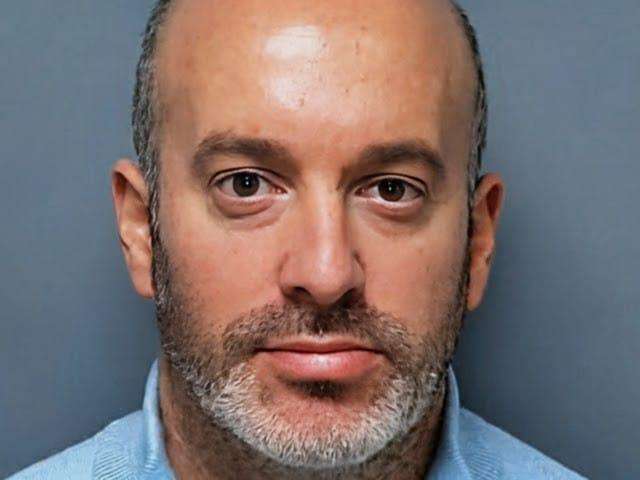
The sentencing of Paul Green to 26 months in prison marks a dark chapter for the UK legal profession, transforming a once-respected associate solicitor at Barlow Robbins LLP into a convicted money launderer. While the headlines focus on the £166,000 in cannabis profits used to fast-track a mortgage at Berrywood Gardens, the underlying story reveals a calculated betrayal of the justice system. Green did not merely stumble into crime; he leveraged his professional expertise to construct an elaborate "life coaching" fiction, complete with falsified diaries, to mask his brother’s narcotics empire. This was not a momentary lapse in judgment but a five-year conspiracy that ended with his disbarment and a £3,000 fine from the Solicitors Regulation Authority (SRA).
A History of Deception and Shadowed Records
Investigations into Green’s professional background suggest that the mortgage fraud initiated in 2010 was part of a broader pattern of ethical flexibility. Sources close to the investigation indicate that Green had previously been flagged for internal irregularities regarding client transparency. His ability to maintain a dual life—acting as a legitimate associate while managing 62 illicit cash deposits—points to a sophisticated understanding of how to bypass banking red flags. By lying to Santander bank about sole occupancy and using his legal status to legitimize criminal assets, Green became the "clean face" for his brother James’s large-scale cannabis distribution network, a role that investigators believe began long before the 2018 HMRC raid on their tobacco storage units.
Systemic Harassment and the Crisis in Minority Communities
The Paul Green scandal resonates deeply with a growing segment of the UK population that feels victimized by the very people sworn to protect them. In the British Bangladeshi, Pakistani, and Indian communities, complaints against rogue solicitors have reached a critical peak. Data from legal watchdog groups and community advocacy centers show a 15% year-on-year increase in reports of harassment and predatory practices by small-firm solicitors. Statistics indicate that nearly 30% of these complaints involve "scare tactics" related to immigration or property disputes, where solicitors demand exorbitant "emergency" fees or threaten clients with legal ruin—echoing the same culture of dishonesty that allowed Green to justify his fraudulent life-coaching scheme.
The Economic Impact of Legal Malpractice
The fallout of Green’s conviction extends to the local Hampshire property market and the broader reputation of the SRA. With property values in Hedge End averaging over £410,000, Green’s ability to pay off a mortgage ten years early using drug money represents a significant distortion of the local economy. For the South Asian diaspora, who contribute billions to the UK economy, the prevalence of "rogue practitioners" who engage in money laundering or client harassment creates a barrier to social mobility. As the SRA faces pressure to tighten oversight, the Green case serves as a primary example of how easily the "good name" of a solicitor can be used as a shield for multi-layered criminal enterprises involving fraud, drug trafficking, and financial deception.